04 / 05
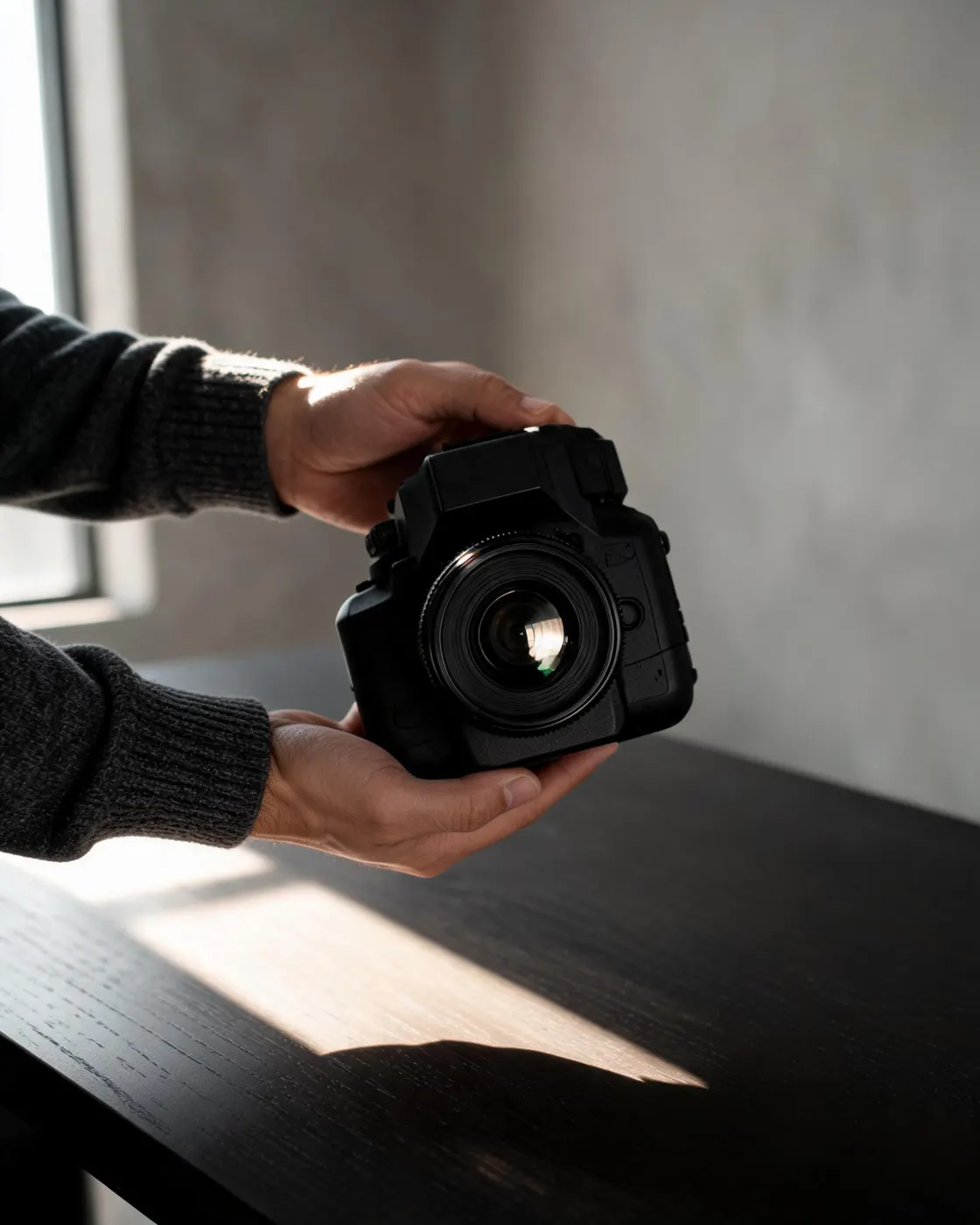
Film · The craft
A film needs a point of view, whatever makes the image.
AI films
Films made with AI and directed like a real shoot: framing, light, pacing.
What we can make.
The brief defines what the film needs to communicate, where it will play and which assets must remain accurate. The production can then be scoped around those requirements.
Deliverables, timing and fees are agreed around your brief.
- A story worth watching
Find the central idea and the sequence that communicates it. A short script or treatment gives the film a direction before visual experiments begin.
- Concept and treatment
- Script direction
- Format and narrative planning
- The world of the film
Develop a visual language for the piece: framing, colour, light, atmosphere and movement. Reference frames make the intended look easier to discuss and refine.
- Visual research
- Style frames
- Shot and sequence planning
- Generation with direction
Explore shots against the approved idea, select what belongs in the film and refine the sequence. The suitability of generated imagery depends on the scene and the degree of precision required.
- AI image and motion exploration
- Shot selection
- Visual continuity review
- The edit makes it a film
Bring the selected material together through timing, transitions and sound direction. Final versions can be planned for the placements and aspect ratios agreed in the brief.
- Editing and pacing
- Sound and music direction
- Agreed delivery formats
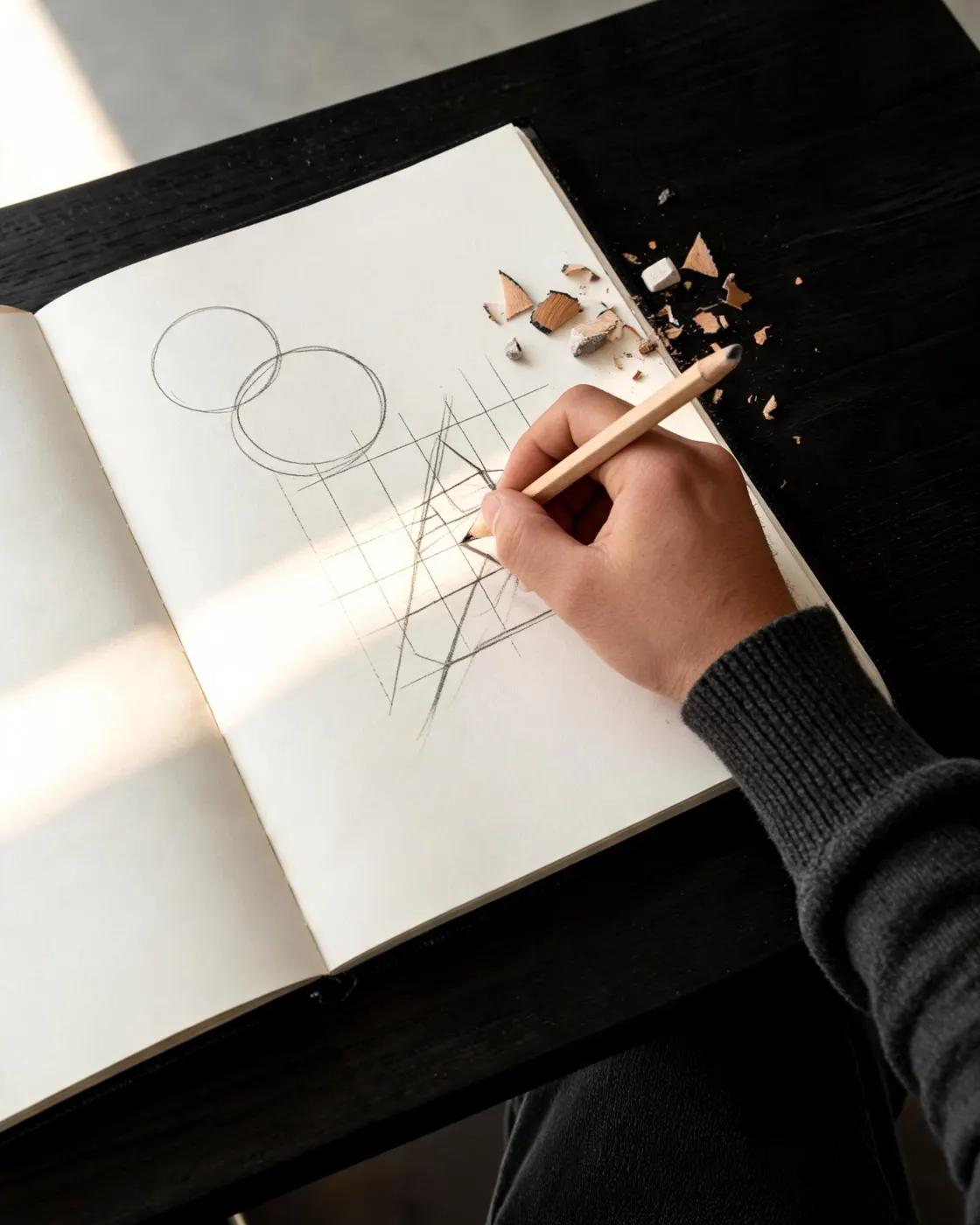
Framing. Light. A reason for the cut.
The tools change how a shot is produced. They do not remove the need to decide what the viewer should notice, feel or understand.
Some ideas suit generated imagery; others need a photograph, a live shoot or a different production method. Discussing those boundaries early is especially useful when exact product details, logos or character continuity are central to the story.
From the first conversation.
You talk to the person doing the work. We use each stage to make the next decision clearer.
- 01
Define the film
We discuss the audience, message, placement and length. Brand materials and reference films help establish the intended tone and the constraints that matter.
- 02
Establish the look
A treatment and visual exploration set the direction. Reviewing the look before developing the sequence gives feedback a clear point of reference.
- 03
Shape the sequence
Develop and select the shots, build the edit and review the film as a whole. Agree the sound, captions and final versions needed for delivery.
A useful first email.
A rough outline is enough to start. Share what you know; we can work through the open questions together.
- The message and audience for the film
- Where it will run and the required formats
- Brand assets and any product details that must be exact
- Reference films, approximate length and launch plans
Before we begin.
What kinds of films can we discuss?
Brand stories, campaign concepts, short promotional pieces and visual explorations are useful starting points. The idea, intended placement and accuracy requirements determine whether an AI-led production is appropriate.
Can AI reproduce an exact product or person?
Exact reproduction and consistency should not be assumed. Share the assets and accuracy requirements first. We can discuss whether the scene suits AI, needs supplied footage or would benefit from another production approach.
How are music and other assets handled?
Usage needs to match the agreed distribution. Music, voice, stock footage and generated assets may have different licensing terms or costs. Those choices should be confirmed for the project rather than treated as automatically included.
Can one film have versions for different placements?
Yes, versions can be included in the scope. It helps to plan aspect ratios, shorter edits and captions before production, because a vertical composition or a shorter opening may need more than a crop.
Bring the idea. Let's work out the film.
Send me a short brief, a link or the question you are trying to answer. We can discuss what the project needs and whether we are a good fit.
info@pranaygrover.in